

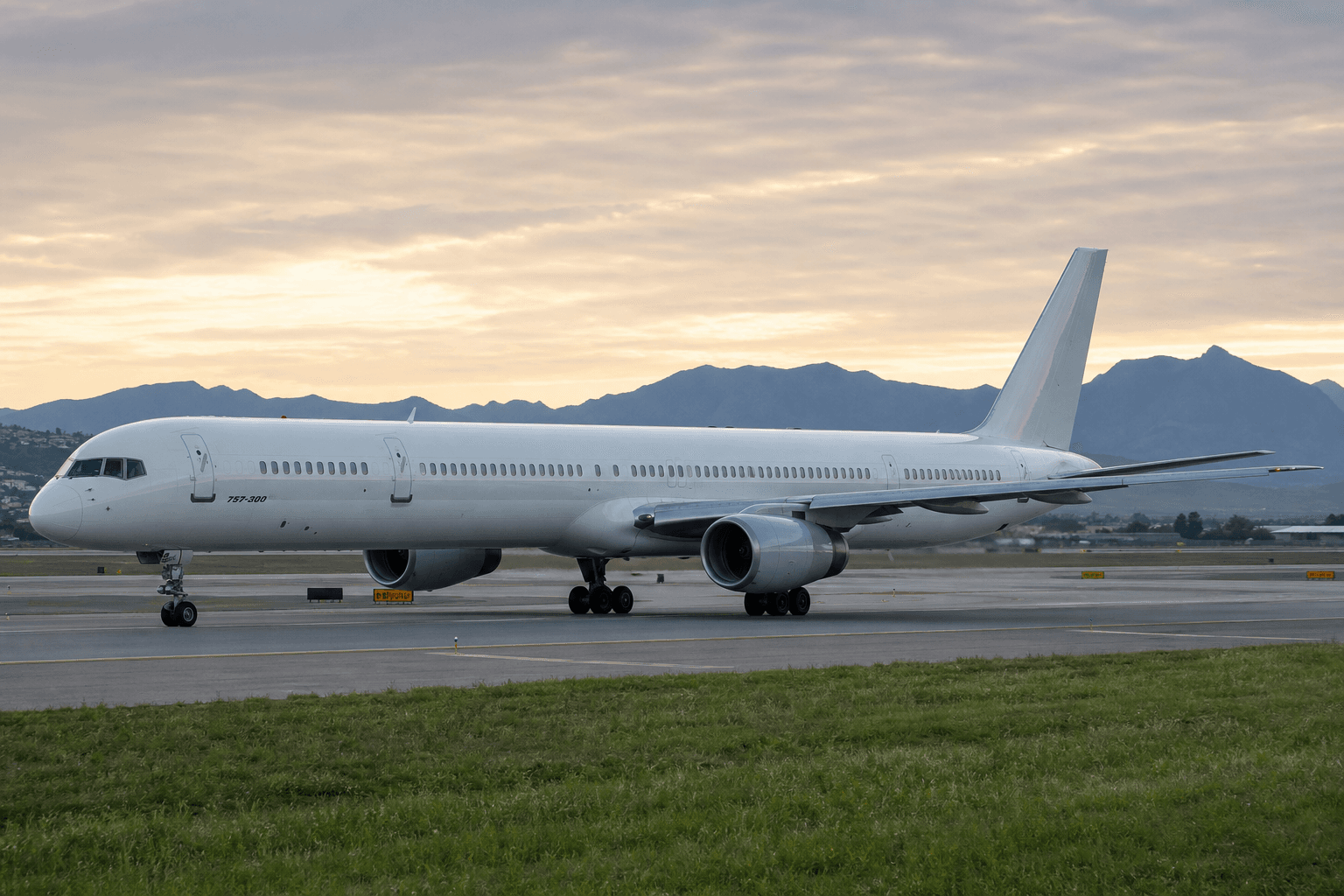
Illustration: The Touch & Go
Boeing produced just 55 stretched 757-300 jets due to niche market demand
Boeing's longest single-aisle model, the 757-300, saw limited production of only 55 units as market appetite favored smaller or widebody aircraft alternatives.
The gist
Boeing’s 757-300 remains rare with only 55 built, reflecting its unique but limited appeal.
The Boeing 757-300 stands as the longest variant in the 757 family, yet Boeing produced only 55 of these stretched single-aisle aircraft. This relatively low production figure stems from its specialized market positioning, which did not attract widespread airline adoption. Its capacity and range placed it in a niche segment, distinct from both standard single-aisle and widebody jets.
Introduced as an elongated derivative of the 757-200, the 757-300 offered increased passenger capacity without substantially extending range. Its design suited specific route demands, such as high-density short to medium-haul routes. However, airlines often found the operating economics favored smaller 757-200s or larger widebody aircraft for longer-range needs, limiting the 757-300’s market penetration.
The aircraft’s unique size positioned it awkwardly between traditional narrowbody jets and larger twin-aisle planes. This blur made it challenging to fill seats consistently while maintaining fuel and cost efficiencies, key considerations for operators post-2000s. Many carriers opted instead to deploy 757-200s or transition to newer narrowbody models with updated technology benchmarks.
Further complicating adoption, the advent of more fuel-efficient, longer-range single-aisle aircraft like the Boeing 737 MAX and Airbus A321XLR shifted airlines’ preferences. These newer models offered similar or improved capacity at lower operating costs, rendering the 757-300 a less attractive acquisition in the evolving fleet landscape.
Despite its limited production, the 757-300 carved out a durability reputation for certain operators needing a unique mix of capacity and runway performance. Its presence in select fleets highlights the diverse factors influencing fleet planning beyond pure production volume numbers.
Looking ahead, Boeing’s focus has largely shifted toward replacing legacy fleets with modern aircraft featuring enhanced environmental performance and digital advancements. The 757-300’s limited run underscores how market dynamics and evolving airline needs can shape aircraft longevity and production decisions.
More in Airlines

Special Olympics Airlift Set For 2026 USA Games
Textron Aviation-organized event will bring athletes to Minnesota's Twin Cities.
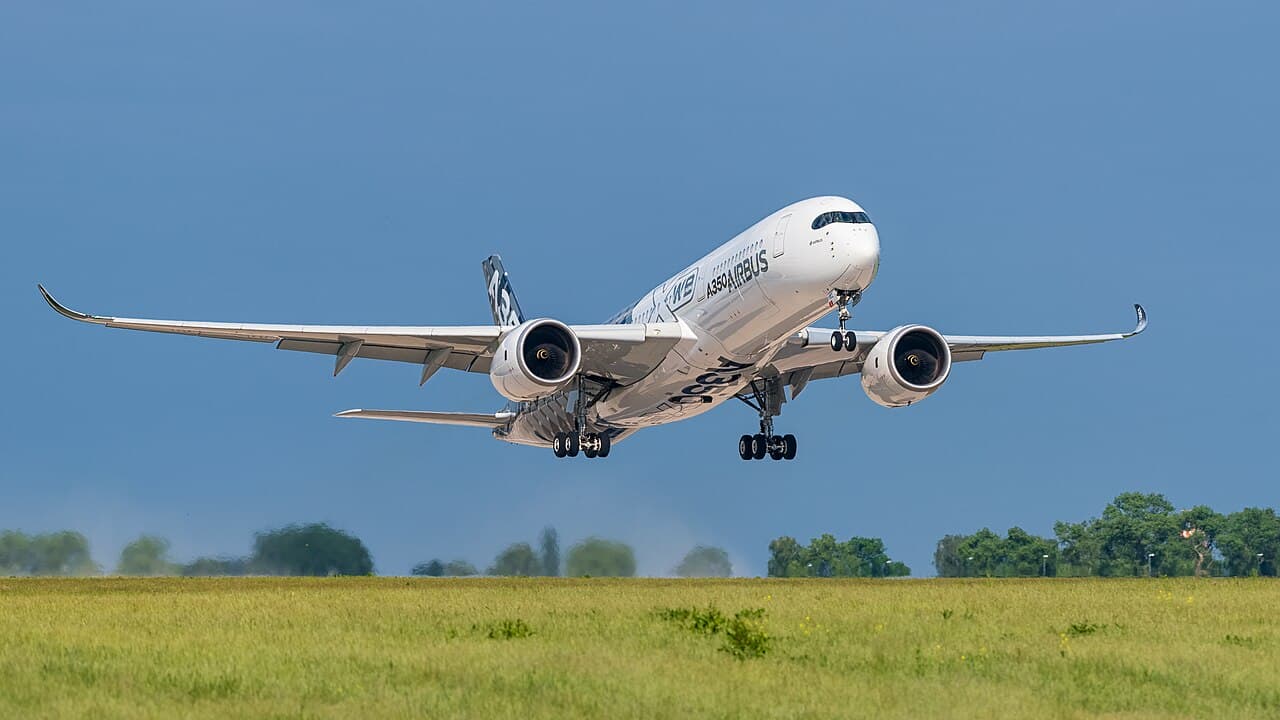
Qantas Names First Ultra-Long-Haul 'Project Sunrise' Destination
Service will start next year, using the carrier's custom-built Airbus A350-1000ULR.
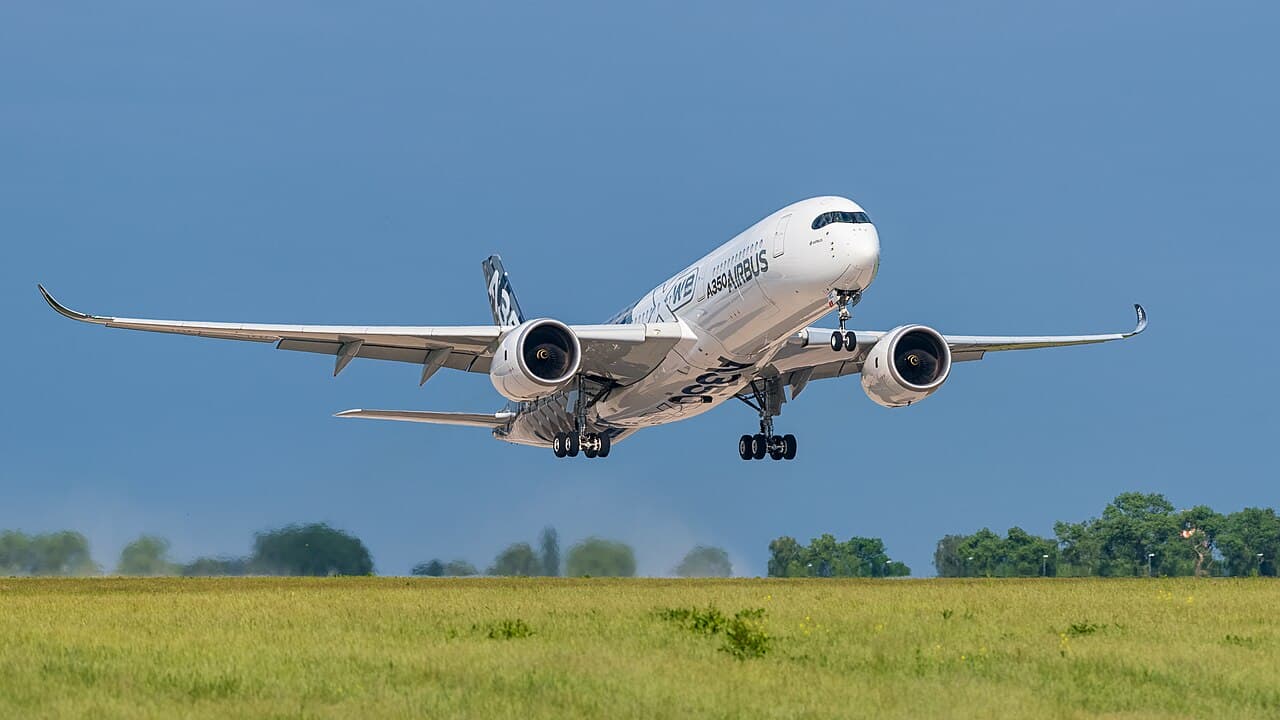
Qantas Prepares to Break the 10,000 Mile Barrier
It is official. One of the last meaningful routes in the world that required a connection due to distance will be getting nonstop service starting in October 2027. Qantas has announced that is when the Sydney – London flight will begin on the Airbus A350-1000ULR. Tickets go on sale in February. This will mark the...
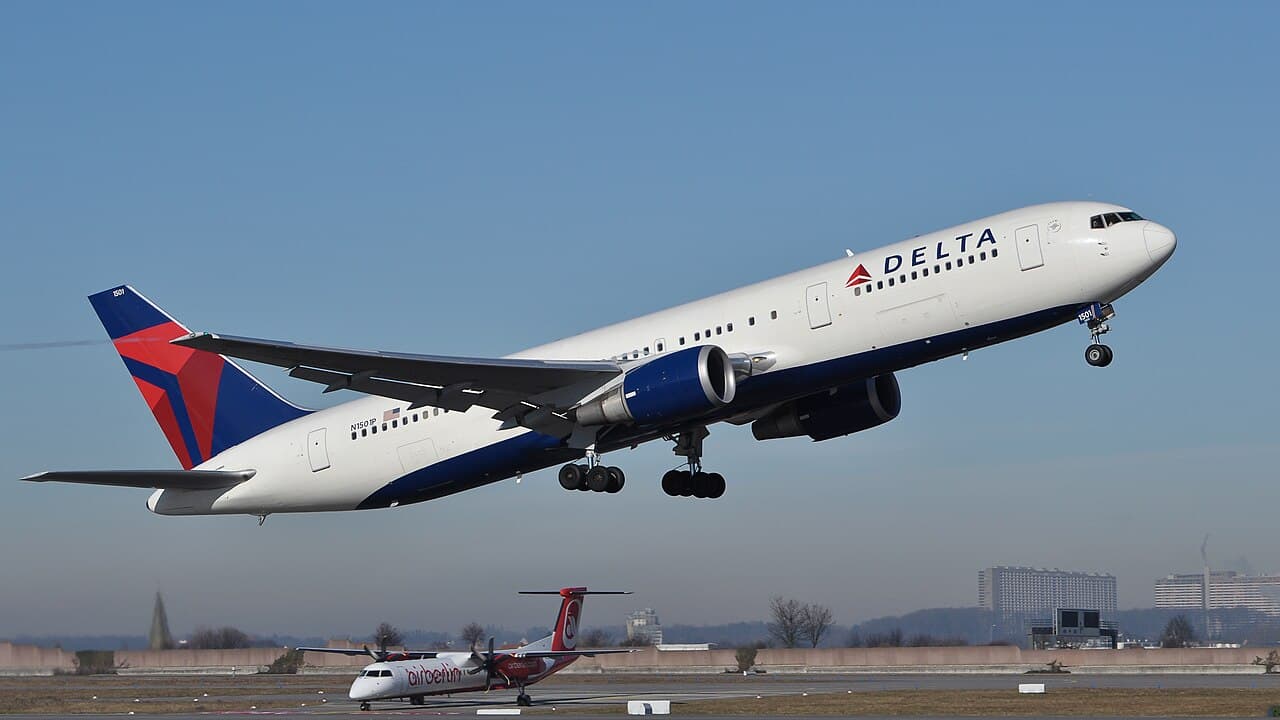
DOT presses forward with banning Delta-Aeromexico JV despite recent US-Mexico agreement
A recent US-Mexico agreement could address concerns that influenced the DOT's decision to rescind the airlines' immunity from antitrust laws. The US Department of Transportation (DOT) is not backing down from its move to scuttle the Delta-Aeromexico joint venture despite US and Mexican officials recently reaching a deal that could address broader US concerns about…